Contemporary residential design has gradually moved toward spaces that feel open, adaptable, and closely connected to their surroundings. Among the many factors influencing modern home design, natural light and open floor plans have become essential elements. These features are no longer merely stylistic preferences. They also play a functional role in enhancing comfort, efficiency, and long-term livability in urban homes.
As cities become progressively larger and living spaces become more compact, thoughtful design solutions that maximise light and space flow are reshaping how residential environments are planned and experienced.
Why Natural Light Matters in Modern Homes?
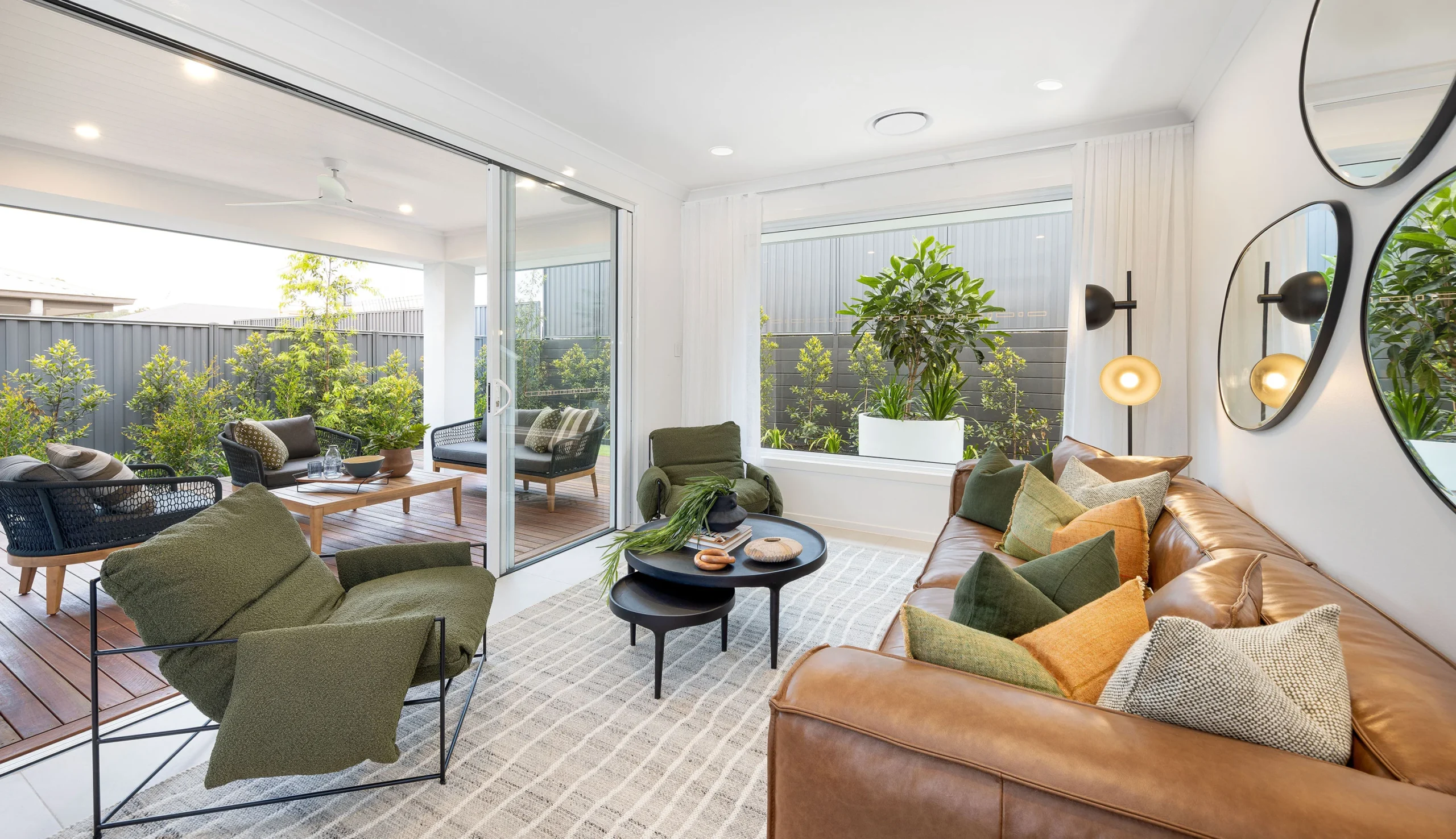
Natural light significantly affects how interior spaces are perceived and used. Well-lit homes tend to feel more spacious, welcoming, and balanced, even when built within limited neighbourhood dimensions. From a design perspective, the strategic placement of windows, balconies, and openings allows daylight to penetrate deeper into living areas, reducing reliance on artificial lighting during the day.
Beyond aesthetics, access to natural light is closely associated with improved well-being. Studies have shown that daylight exposure supports better sleep cycles, productivity, and overall mental health, all of which are increasingly important for urban residents managing fast-paced lifestyles.
In residential design, this has led to a growing focus on placement, window proportions, and layouts that prioritise daylight without compromising privacy or interior comfort.
The Rise of Open Floor Plans
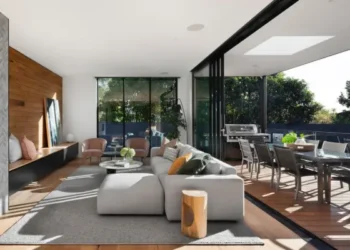
Open floor plans have become a signature of contemporary residential interiors. By reducing unnecessary partitions between living, dining, and kitchen areas, these layouts create a sense of continuity and flexibility. The result is a space that feels larger, more adaptable, and better suited to modern living patterns.
For urban households, open layouts support multiple uses, ranging from working remotely and hosting guests to family interactions, without the restrictions imposed by restrictive room divisions. When combined with ample natural light, open floor plans enhance airflow, visual connectivity, and overall efficiency.
From an investment perspective, such layouts tend to have broader appeal, as they cater to diverse lifestyles and evolving household needs.
Light, Space, and Perceived Value
The relationship between natural light and open-plan layouts also influences how homes are valued and perceived. Bright, open interiors are often associated with premium living experiences, even when overall square footage remains modest.
Properties that successfully integrate these elements often feel less constrained and more future-ready, making them attractive to home buyers.
Designing for Urban Contexts
In growing urban environments, openness and light require careful planning. Factors such as building orientation, spacing between structures, and the use of reflective surfaces all influence how daylight is distributed within a home.
Many contemporary residential developments are addressing these challenges by adopting design strategies that emphasise cross-ventilation, larger openings, and efficient floor plans. Residential projects such as Northern Lights, developed by Shapoorji Pallonji Real Estate, reflect this broader approach, in which architectural planning responds to both environmental conditions and modern lifestyle expectations rather than purely aesthetic goals.
Sustainability and Energy Efficiency
Natural light also plays an important role in sustainable residential design. Homes that maximise daylight use typically consume less energy for lighting and, when paired with appropriate shading and ventilation, can also contribute to thermal comfort.
Open floor plans further support sustainability by improving air circulation and reducing the need for mechanical climate control under certain conditions. As environmental awareness continues to influence buyer preferences, such design considerations are becoming increasingly relevant in residential planning.
Evolving Buyer Expectations
Today’s homebuyers are more design-aware than ever before. They look beyond finishes and furnishings to evaluate how a space will function in daily life. Natural light, openness, and ventilation are often regarded as indicators of thoughtful design and long-term comfort.
Rather than being viewed as optional upgrades, these elements are now expected features in contemporary residential projects, which is shaping buyer perceptions and influencing decision-making across urban housing markets.
As residential design continues to evolve, the emphasis on natural light and open floor plans is likely to remain strong. These elements directly address the challenges of urban living by enhancing comfort, flexibility, and overall quality of life.
In this changing real estate landscape, homes in developments such as Northern Light by Shaporji Pallonji Real Estate that prioritise light, space, and adaptability are better positioned to meet both current needs and future expectations, reinforcing their relevance as long-term residential investments.