As cities continue to grow, homebuyers’ residential expectations are shifting. Homebuyers today are looking beyond basic infrastructure and focusing on how living spaces can support comfort, wellness, and a connection to nature. This shift has led to a recent emphasis on integrating natural elements into residential design, ensuring homes feel balanced, breathable, and liveable.
Why Nature-Centric Design Matters in Cities?
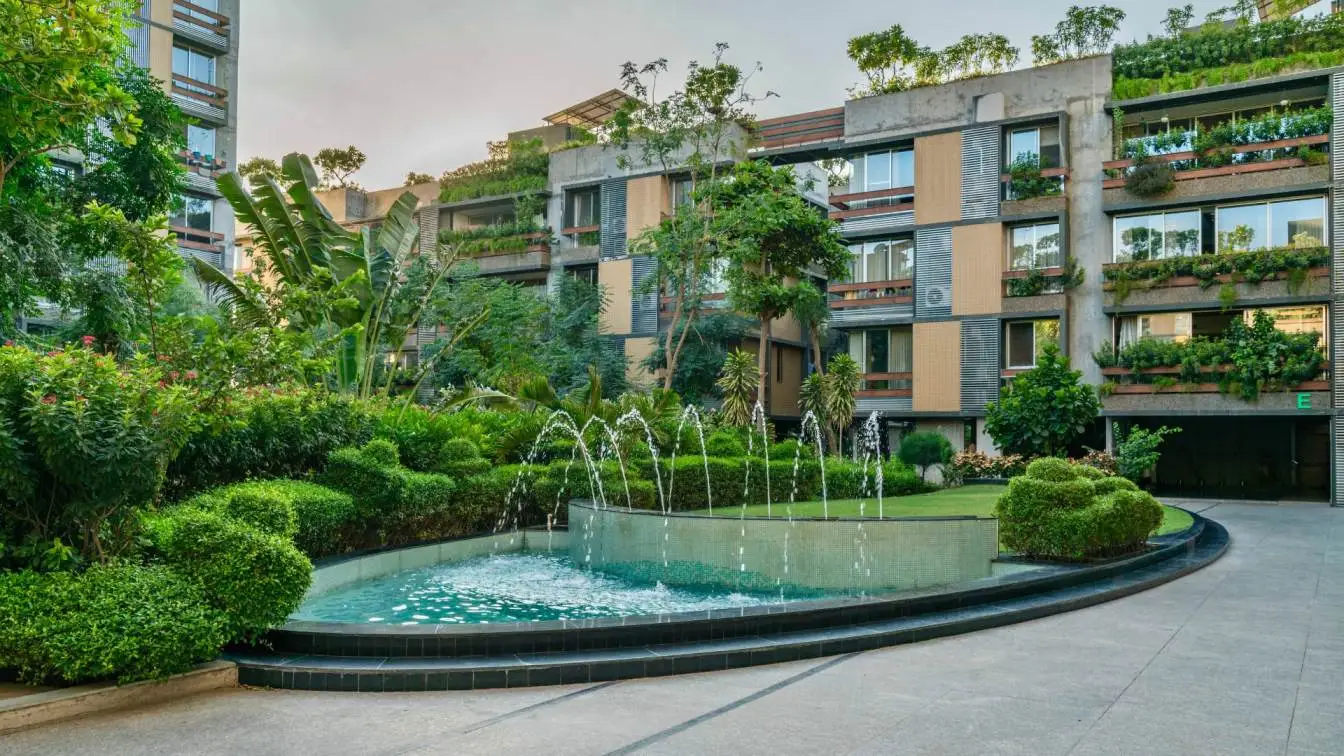
The inclusion of greenery, open landscapes, and natural light plays a vital role in improving the quality of life. Studies show that access to green spaces can reduce stress, enhance mental well-being, and improve overall health. Features such as landscaped gardens, tree-lined walkways, and naturally ventilated homes are now considered essential requirements as per the modern residential standards.
Designing Comfort as a Basic Component of Modern Housing
Comfort in urban residences extends beyond air conditioning and premium finishes. Thoughtful building planning is critical to ensuring adequate natural light, ventilation, and privacy. Homes designed with proper orientation, efficient layouts, and open spaces tend to feel more breathable and adaptable to changing needs. When comfort is integrated into the planning stage, it enhances a home’s long-term livability.
Open Spaces as a Core Residential Standard
Modern residential developments gradually prioritise open spaces as an essential part of community living. Shared green spaces, recreational areas, and pedestrian-friendly layouts encourage social interaction and provide residents with places to relax. These spaces serve as natural extensions of the home, giving space for leisure, exercise, and relaxation without leaving the residential area.
Blending Urban Convenience with Natural Surroundings
Projects that effectively balance urban accessibility with nature-driven design are becoming a new preference for home buyers. Developments such as Vanaha Yahavi by Shapoorji Pallonji Real Estate demonstrate how residential planning can incorporate broad greenery and thoughtful exterior design while remaining well connected to infrastructure. Such projects reflect a growing understanding that comfort and convenience do not have to come at the cost of the natural environment.
The Role of Developers in Shaping Residential Standards
Developers play a significant role in improving residential planning standards through their strategic planning. By prioritising sustainable layouts, open environments, and long-term accessibility, such developers help set new standards of how urban homes should function and feel.
Building Homes with a Focus on Holistic Living
Projects by Shapoorji Pallonji Real Estate reflect a greater focus on creating communities. Their approach emphasises green open spaces, thoughtful amenities, and layouts that encourage interaction while maintaining key factors that ensure comfortable urban living.
Looking Ahead
As residential projects increase, the integration of natural elements with everyday comfort will continue to define successful residential developments. Homes that balance greenery, thoughtful planning, and lifestyle convenience are likely to remain more relevant, sustainable, and valuable over time. By aligning nature with comfort, as seen in developments such as Vanaha Yahavi, urban residential standards are steadily moving toward a healthier future that prioritises nature.